
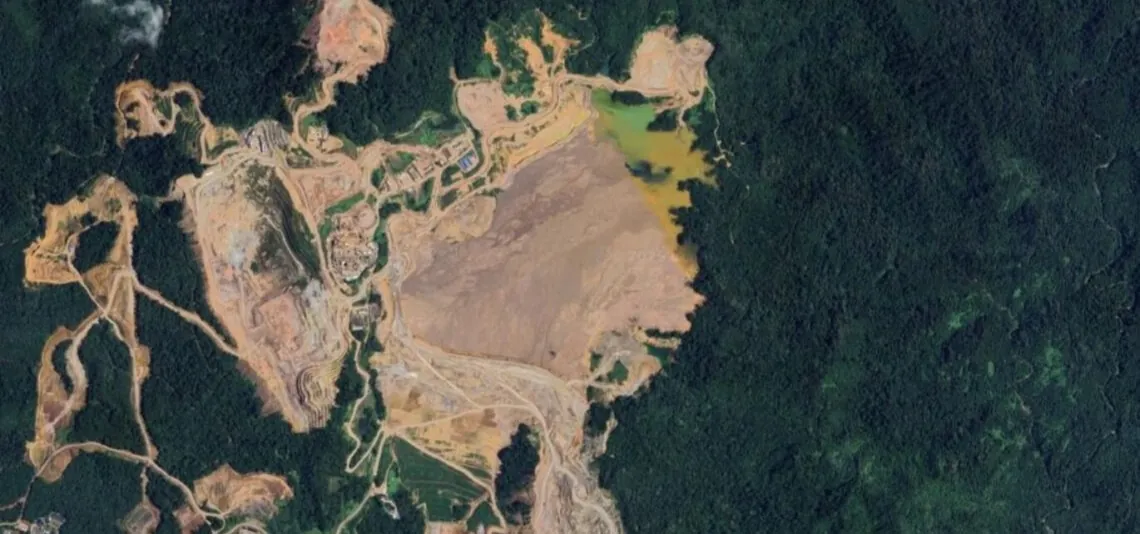

In late November 2025, unusually heavy rain fell across Sumatra, driven by a tropical storm and extreme monsoon conditions. It triggered devastating flash floods, landslides and torrents that struck homes, plantations and forests.
Within days, hundreds of lives were lost, thousands were injured and millions were displaced. Behind the human toll lies a far larger environmental crisis: a blow to the biodiversity of an island known as one of the world's biodiversity hotspots.
1. Layered Root Causes
This disaster was not caused by bad weather alone. Experts and environmental groups point to forest conversion, encroachment on upstream areas, mining and plantation permits, and the loss of vegetation cover as having destroyed Sumatra's natural infrastructure.
That natural infrastructure normally absorbs rainfall, prevents erosion and keeps soil stable. When extreme rain arrived, the fragile ecosystem collapsed. Many of the logs swept along by the floods did not fall naturally — they were remnants of logging in water-catchment areas that are now under scrutiny.
2. A Disaster for Habitats & Wildlife
The floods and landslides destroyed vegetation, rivers and slopes that are natural habitat for plants and animals. Landslides uprooted trees, buried the understorey and disrupted soil layers that are vital for soil microbiomes and small animals.
"For many species living in mountain zones or primary forest, this disaster can mean the loss of their home, food sources and migration routes."
If the damage is widespread and permanent, some rare species could lose their critical habitat.
3. Ecological & Economic Losses
Destroyed forest and land do not grow back overnight. Even with reforestation, it takes decades for the ecosystem to fully recover — for fertile soil to re-form and the microbiome to return.
While communities have lost their livelihoods, the ecological losses are hard to put a number on. Species loss, soil degradation and weakened groundwater systems mean long-term environmental decline.
Impact on Local Communities
Communities that depend on forest products such as fruit and medicinal plants have lost vital resources. Invasive species also spread more easily when natural ground is disturbed, threatening native ecosystems.
4. Key Lessons and the Way Forward
The 2025 Sumatra disaster is a loud alarm: environmental conservation is not an elite hobby but a fundamental need for human safety and the survival of nature.
- Stop new permits: halt new permits in water-catchment areas and upstream river zones immediately.
- Restore critical areas: carry out audits and moratoriums, and restore natural forest cover.
- Rebuild ecologically: reforest with native species and involve communities in river restoration.
- Education: build understanding that nature is our most important disaster-mitigation infrastructure.
A Call to Action
For everyone who cares about nature — especially the urban-farming, agrifood and conservation communities — this is a call to act. Every tree cut down is a bet against our future.
The 2025 Sumatra floods and landslides are not only a human tragedy but an ecological one. For this generation and the next, let's rebuild with respect for nature and choose sustainability over exploitation.